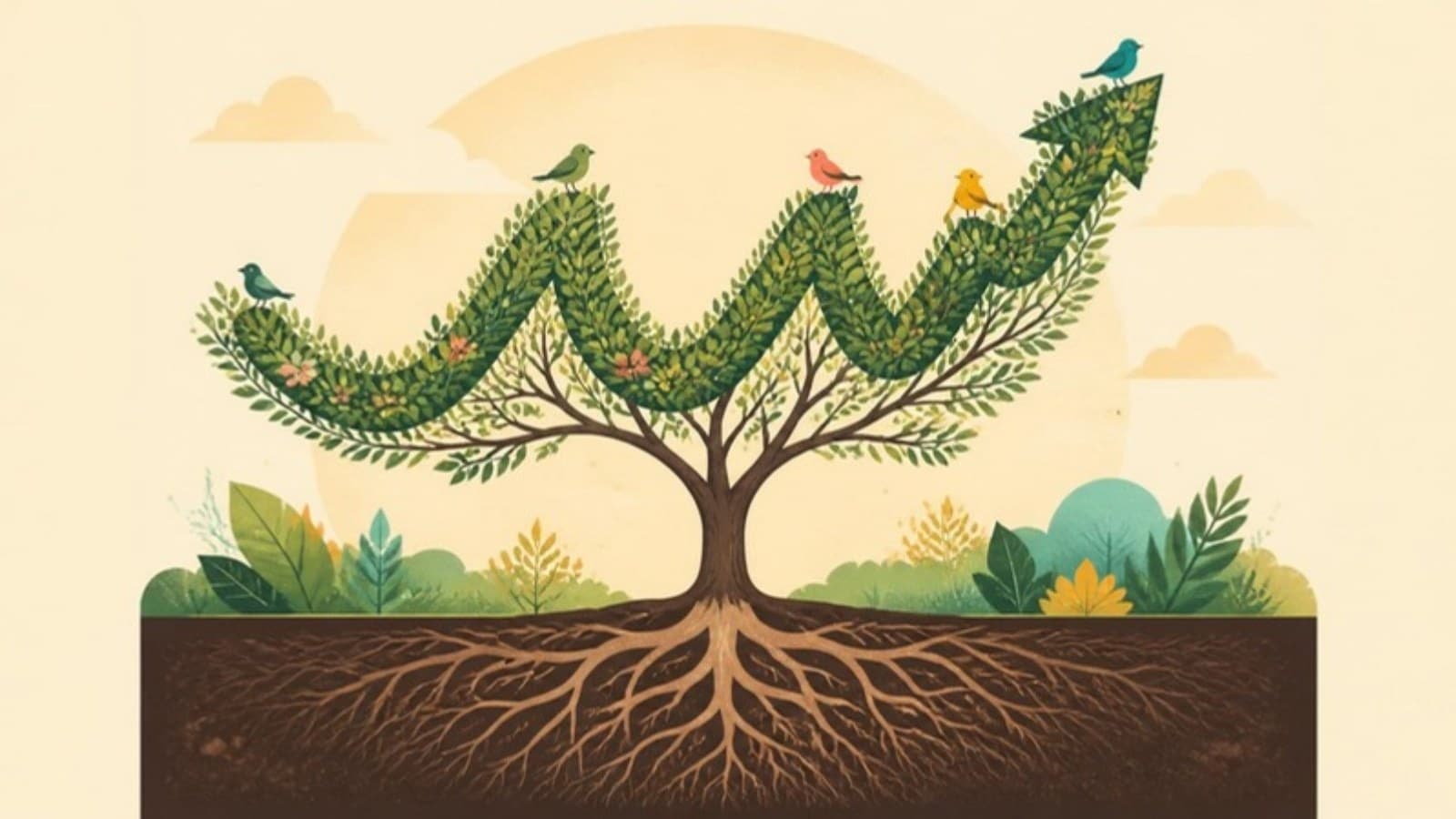
Here's what most students get wrong: They treat Class 11 and Class 12 as separate.
In school, they are. In NEET, they're not.
Data point: When we analyzed successful NEET students (350+), a consistent pattern emerged: They had finished Class 11 Biology completely by November of that year. By contrast, students scoring 280-300 were still struggling with Class 11 concepts in March of their exam year.
Why? Because Class 11 Biology isn't "basic stuff to memorize." It's the language and logic system for understanding Class 12. When Class 11 is weak, Class 12 becomes almost impossible.
At Cerebrum Biology Academy, we advise all students starting Class 11: This year is not preparation for 12th board exams. This is your NEET foundation year. The implications are profound.
Let's understand why, and how to use this year strategically.
Reason 1: 20-25% of NEET Questions Directly from Class 11
NEET isn't a "Class 12 exam with Class 11 basics." It's a balanced exam drawing from both classes.
Chapter-wise breakdown:
| Class 11 Chapters | Approx. Questions | Weightage |
|---|
| Diversity of Life (Chapters 1-5) | 8-11 | 8-10% |
| Cell Structure & Function (6-9) | 5-7 | 5-7% |
| Cell Division (10-11) | 4-5 | 4-5% |
| Total Class 11 | 17-23 | 17-23% |
These questions don't require Class 12 knowledge. If you skip Class 11, you're voluntarily losing 17-23 marks.
Reason 2: Class 11 Concepts Are Prerequisites for 70% of Class 12
Example Chain 1: Cell Biology
- Class 11: Cell structure (membrane, organelles, nucleus)
- Class 12: Photosynthesis (requires knowing chloroplast structure)
- Class 12: Respiration (requires knowing mitochondrial structure)
- If Class 11 is weak: You'll struggle with both Class 12 topics
Example Chain 2: Genetics
- Class 11: Cell division (mitosis, meiosis, chromosome basics)
- Class 12: Molecular basis of inheritance (requires understanding DNA/chromosome connection)
- Class 12: Human genetics (requires meiosis understanding)
- If Class 11 is weak: The Class 12 topics don't make sense
Example Chain 3: Physiology
- Class 11: Tissues (epithelial, connective, muscle, nervous)
- Class 12: All organ systems (digestive, respiratory, circulatory) build on tissue understanding
- If Class 11 is weak: You memorize organs instead of understanding their tissues
Reason 3: Time Economics
Scenario A: Strong Class 11 Preparation
- Class 11: 300 hours study (Nov-Mar) → Complete mastery
- Class 12: 250 hours study (Apr-Dec) → New concepts build smoothly on foundation
- Total: 550 hours, high scores
Scenario B: Weak Class 11, Rushed Class 12
- Class 11: 100 hours study (scattered) → Gaps remain
- Class 12: 300 hours study → 100 hours spent fixing Class 11 gaps, only 200 for new concepts
- Total: 400 hours, lower scores (because foundation is shaky)
Cerebrum insight: Starting Class 11 preparation early saves 100+ hours of redundant learning.
Unit I: Diversity of Living Organisms (Chapters 1-5)
Chapter 1: The Living World
- Content: Definition of biology, scope, levels of biological organization
- NEET Relevance: 0-1 questions (rarely asked directly)
- Strategy: Quick understanding, not memorization
Chapter 2: Biological Classification
- Content: Classification principles, binomial nomenclature, kingdoms of life
- NEET Relevance: 1-2 questions yearly (Characteristics of different kingdoms, archaea vs. bacteria differences)
- Key Concepts for NEET:
- Characteristics distinguishing prokaryotes, archaea, eukaryotes
- Kingdom-specific features (e.g., why protists are transitional)
- Binomial nomenclature rules (rarely asked directly, but understanding helps)
- Connection to Class 12: Understanding kingdom characteristics helps in understanding diversity of organisms in Class 12 animal/plant physiology
Chapter 3: Plant Kingdom
- Content: Classification of plants from algae to angiosperms
- NEET Relevance: 1-2 questions yearly
- Key Concepts for NEET:
- Life cycle differences (haplodiplontic, haplontic, diplontic)
- Flower structure and reproductive strategies in angiosperms
- Evolutionary trends (simpler to complex)
- Connection to Class 12: Understanding plant life cycles helps with reproduction chapter (13)
Chapter 4: Animal Kingdom
- Content: Classification of animals from porifera to chordata
- NEET Relevance: 2-3 questions yearly (specific phylum characteristics, body plan features)
- Key Concepts for NEET:
- Phylum characteristics (symmetry, body cavity, segmentation)
- Examples of each phylum with distinctive features
- Chordata characteristics (notochord, dorsal nerve cord, pharyngeal gill slits)
- Connection to Class 12: Understanding animal diversity helps with physiology topics; chordata features connect to human anatomy
Chapter 5: Morphology of Flowering Plants
- Content: External structure of flowering plants (root, stem, leaf, flower)
- NEET Relevance: 2-3 questions yearly (Flower parts, modified roots/stems, leaf types)
- Key Concepts for NEET:
- Flower structure: calyx, corolla, androecium, gynoecium
- Root modifications: fibrous vs. taproot, adventitious roots, modifications for storage/breathing/climbing
- Stem modifications: rhizome, stolon, tuber, bulb
- Leaf types: simple, compound; leaf modifications
- Connection to Class 12: Direct connection to reproduction chapter (sexual reproduction in plants requires understanding flower structure)
🎯 Class 11 Unit I Strategy for NEET:
- Chapters 2, 3, 4, 5 are high-priority
- Focus on distinctive features, not encyclopedic knowledge
- Create comparison tables: prokaryote vs. eukaryote, monocot vs. dicot
- Study Chapter 5 diagrams thoroughly (most tested chapter in this unit)
Unit II: Structural Organisation in Plants and Animals (Chapters 6-7)
Chapter 6: Anatomy of Flowering Plants
- Content: Internal structure of roots, stems, and secondary growth
- NEET Relevance: 1-2 questions yearly (tissue organization, vascular tissue, secondary growth)
- Key Concepts for NEET:
- Primary structure of root and stem (T.S. diagrams are critical)
- Tissue differentiation: epidermis, cortex, endodermis, stele
- Vascular tissue: xylem and phloem structure and function
- Secondary growth: cambium, secondary xylem, secondary phloem, heartwood vs. sapwood
- Periderm: cork, cork cambium
- Connection to Class 12: Understanding vascular tissue helps with transport in plants chapter (11)
- Critical for NEET: T.S. diagrams of root and stem are directly asked; students must be able to identify and label tissues
- Cerebrum Note: This chapter is often skipped by students, losing 2-4 marks easily. Spend 1-2 hours understanding diagrams.
Chapter 7: Structural Organisation in Animals
- Content: Human body organization and tissues
- NEET Relevance: 2-3 questions yearly (tissue types, their location, function)
- Key Concepts for NEET:
- Four tissue types: epithelial, connective, muscular, nervous
- Epithelial tissue subtypes: simple squamous, stratified, cuboidal, columnar, ciliated
- Connective tissue types: loose, dense, adipose, bone, cartilage, blood
- Muscular tissue types: skeletal, cardiac, smooth
- Nervous tissue: neurons and glial cells
- Connection to Class 12: Understanding tissues is prerequisite for all organ systems (digestive, nervous, circulatory, etc.)
- Critical for NEET: Know tissue locations and functions, not just definitions
🎯 Class 11 Unit II Strategy for NEET:
- Diagrams are essential: T.S. of root/stem, tissue types
- Learn structure + function together (not separately)
- Create flashcards: tissue name → location → function
- These 2 chapters require 15-20 hours each; invest time early
Unit III: Cell: Structure and Function (Chapters 8-9)
Chapter 8: Cell: The Unit of Life
- Content: Cell structure, organelles, their functions
- NEET Relevance: 3-4 questions yearly (organelle identification, function, prokaryotic vs. eukaryotic)
- Key Concepts for NEET:
- Prokaryotic vs. eukaryotic cells (fundamental comparison)
- Plasma membrane: structure, functions, selective permeability
- Nucleus: structure, role in cell
- Organelles: mitochondria, chloroplast, ER, Golgi, lysosomes, vacuoles, centrioles, cilia, flagella
- Prokaryotic structures: cell wall, flagella, pili, ribosomes (70S vs. 80S)
- Connection to Class 12:
- Mitochondrial structure connects to respiration chapter (12)
- Chloroplast structure connects to photosynthesis chapter (13)
- ER/Golgi connect to protein synthesis
- All Class 12 physiology assumes cell structure knowledge
- Cerebrum Insight: Organelle functions are directly tested in NEET. Know not just "what it looks like" but "what it does and why"
Chapter 9: Biomolecules
- Content: Carbohydrates, lipids, proteins, nucleic acids, enzymes
- NEET Relevance: 2-3 questions yearly (structure of biomolecules, enzyme function, denaturation)
- Key Concepts for NEET:
- Carbohydrates: monosaccharides, disaccharides, polysaccharides (glucose, sucrose, starch, glycogen, cellulose)
- Lipids: structure, types, functions
- Proteins: amino acids, peptide bonds, protein structure (primary, secondary, tertiary, quaternary)
- Nucleic acids: DNA vs. RNA, bases, structure
- Enzymes: catalytic proteins, factors affecting enzyme activity, denaturation
- Connection to Class 12:
- Enzyme knowledge connects to metabolic pathways (photosynthesis, respiration)
- DNA/RNA structure connects to molecular inheritance chapter
- Carbohydrate metabolism in respiration chapter
- Protein synthesis in molecular biology chapter
🎯 Class 11 Unit III Strategy for NEET:
- These 2 chapters form the foundation for 40% of Class 12 content
- Spend 25-30 hours on these chapters
- Focus on function, not just structure
- Create detailed diagrams: organelle structures, enzyme action, DNA/RNA
Unit IV: Cell Division (Chapters 10-11)
Chapter 10: Cell Cycle and Cell Division
- Content: Interphase, mitosis, cytokinesis
- NEET Relevance: 4-5 questions yearly (phases of mitosis, chromosome numbers, significance)
- Key Concepts for NEET:
- Interphase: G1, S, G2 phases; what happens in each
- Mitosis: prophase, metaphase, anaphase, telophase; characteristics of each
- Cytokinesis: animal vs. plant cells
- Chromosome number tracking: diploid (2n) to diploid
- Significance of mitosis: growth, repair, maintenance of chromosome number
- Connection to Class 12: Understanding mitosis is prerequisite for understanding meiosis
Chapter 11: Reproduction in Organisms
- Content: Modes of reproduction, gametogenesis, meiosis
- NEET Relevance: 4-5 questions yearly (meiosis phases, chromosome numbers, genetic variation)
- Key Concepts for NEET:
- Asexual reproduction: binary fission, budding, fragmentation
- Sexual reproduction: advantages, meiosis, fertilization
- Meiosis I and II: differences from mitosis, crossing over, independent assortment
- Chromosome number tracking: diploid (2n) to haploid (n)
- Gametogenesis: gametogonia, primary gametocytes, secondary gametocytes, gametes
- Genetic variation through crossing over and independent assortment
- Connection to Class 12: Foundation for reproduction chapter (13), genetics chapter (5), chromosomal inheritance
🎯 Class 11 Unit IV Strategy for NEET:
- Most important Class 11 unit for NEET (8-10% of total marks)
- Spend 30-35 hours on these 2 chapters
- Master chromosome number tracking through all stages (critical skill)
- Meiosis vs. mitosis comparison table is essential
- Diagram practice: all stages of mitosis and meiosis
- Common error: Confusing metaphase I with metaphase II; practice distinction
Practice break
Reading is prep. Practising is progress.
Free to try · replies within a few hours on WhatsApp
Visualization of Prerequisites:
Class 11: Cell Structure (Ch. 8)
    ↓
Class 12: Photosynthesis (Ch. 13) - requires chloroplast knowledge
Class 12: Respiration (Ch. 12) - requires mitochondrion knowledge

Class 11: Cell Division (Ch. 10-11)
    ↓
Class 12: Molecular Inheritance (Ch. 6) - requires meiosis understanding
Class 12: Chromosomal Inheritance (Ch. 7) - requires chromosome mechanics

Class 11: Tissues (Ch. 7)
    ↓
Class 12: All Physiology (Ch. 15-19) - requires tissue knowledge

Class 11: Flower Structure (Ch. 5)
    ↓
Class 12: Reproduction (Ch. 13) - requires flower part knowledge
Recommended 5-Month Study Plan
November-December: Unit I (Diversity) + Unit II (Anatomy & Tissues)
- Month 1: Chapters 1-5 (Diversity) + Chapter 6 (Plant anatomy)
- Month 2: Chapter 7 (Animal tissues) + Chapter 8 (Cell structure)
- Time: 60-80 hours
- Outcome: Understand biodiversity, plant structure, tissues, cell basics
January-February: Unit III (Cell Biology) + Unit IV (Cell Division) - Part 1
- Month 3: Chapter 9 (Biomolecules) + Chapter 10 (Cell cycle, mitosis)
- Month 4: Chapter 11 (Meiosis, reproduction)
- Time: 70-90 hours
- Outcome: Master cell biology fundamentals and cell division processes
March: Revision + Practice
- Revise all chapters
- Solve NCERT exercises and sample questions
- Practice diagrams (40-50 from Class 11)
- Time: 30-40 hours
Total: 160-210 hours over 5 months (32-42 hours/month)
Approach 1: Conceptual Understanding (NOT Rote Memorization)
Wrong way: "Definition of photosynthesis = process by which plants convert light energy into chemical energy stored in glucose"
Right way:
- WHERE does it happen? (Chloroplast)
- WHY does it happen? (To create energy for growth)
- WHAT makes it unique? (Requires light, unlike respiration)
- HOW is it different from respiration? (Builds glucose; respiration breaks it down)
This "deep understanding" saves 50+ hours in Class 12 when you encounter related topics.
Approach 2: Diagram-Centric Learning
Class 11 is heavy on diagrams. Instead of highlighting text:
- Study the diagram first (labeled version)
- Close the book, draw it (unlabeled)
- Label from memory
- Compare with textbook
- Redraw 1 week later (spaced repetition)
This approach takes 30% more time initially but saves 100+ hours in Class 12.
Approach 3: Question-Based Learning
For every Class 11 chapter:
- Complete NCERT "Questions" at chapter end
- Solve from any reference book (10-15 additional questions)
- For each question, identify: "What concept does this test?"
- This trains your brain to recognize "important information"
Common Class 11 Mistakes (And How to Avoid Them)
❌ Mistake 1: Treating Chapters 1-5 (Diversity) as "Lower Priority"
Reality: These chapters are 8-10% of NEET. Skipping them loses 10-12 marks.
Fix: Allocate equal time. Focus on kingdom characteristics and phylum features, not exhaustive taxonomy.
❌ Mistake 2: Not Understanding Plant Anatomy Diagrams
Reality: T.S. (Transverse Section) diagrams of root and stem appear in 1-2 NEET questions and 3-4 board exam questions.
Fix: Spend 5-6 hours on Chapter 6 alone. Master these diagrams completely.
❌ Mistake 3: Memorizing Organelle Functions Without Understanding Purpose
Reality: NEET often asks inference questions like "If mitochondria are damaged, which process fails?" This requires understanding, not memorization.
Fix: For each organelle, write: "Function in 1 line" + "Why cells need this" + "Consequence of damage"
❌ Mistake 4: Not Connecting Class 11 to Class 12
Reality: Most students finish Class 11, forget it, and struggle with Class 12 when they need it.
Fix: After completing a Class 11 chapter, immediately identify which Class 12 chapter uses it. Preview that chapter.
❌ Mistake 5: Skipping Meiosis Mastery
Reality: Students often skim meiosis thinking "I'll relearn in Class 12." But weak Class 11 understanding costs 100+ hours in Class 12.
Fix: Spend 8-10 hours on meiosis in Class 11. By Class 12, you'll be comfortable.
Students at Cerebrum follow this structure:
- Weeks 1-2: Learn concept from textbook
- Weeks 3-4: Draw diagrams; solve questions
- Week 5: Connect to Class 12 preview
- Week 6: Comprehensive revision
This 6-week cycle per unit ensures deep learning and long-term retention.
If you're in Class 11 now:
- This month: Complete Chapter 8 (Cell) and Chapter 5 (Flower structure)
- Next month: Complete Chapter 9 (Biomolecules) and Chapter 10 (Cell division)
- Following month: Complete Chapter 11 (Meiosis) and start Class 12
- Track: Create a checklist of 50 diagrams you must master by March
If you're already in Class 12:
- Urgently: Review Class 11 chapters (Cell, Cell division, Tissues)
- Identify: Weak areas in Class 11 understanding
- Allocate: 2-3 hours/week revisiting Class 11 foundations
- Connect: As you study Class 12 chapters, revisit relevant Class 11 chapters
This sounds dramatic, but it's true. A student with weak Class 11 understanding has a ceiling around 280-300 in NEET, regardless of Class 12 effort. A student with strong Class 11 understanding can reach 330+ with solid Class 12 study.
The good news: Class 11 is eminently doable. You don't need to be a genius—just systematic and consistent.
Six months of solid Class 11 study = Two months of confident Class 12 study = 330+ score on NEET.
At Cerebrum Biology Academy, we specialize in Class 11 Biology foundation building. Our students typically finish Class 11 completely by March and enter Class 12 with unshakeable fundamentals. This early foundation saves them 100+ hours in Class 12 and translates to significantly higher NEET scores.
Whether you're starting Class 11 now or catching up from Class 12, the Cerebrum framework ensures you master fundamentals systematically.
Your NEET journey starts in Class 11. Make it count.
Know Where Your Class 11 Foundation Actually Stands
The 280-300 ceiling this guide describes is easy to miss until Class 12 mocks expose it. message us on WhatsApp at +91 88264 44334 with which Class 11 chapters still feel shaky, and we'll tell you which ones to fix now versus which can wait for Class 12 revision.
Related reading: Class 11 Biology: Complete Foundation Strategy · Class 12 Biology: Board + NEET Dual Prep · Our Class 11 programme