Loading...
Loading...
Complete NEET 2026 notes on Locomotion and Movement covering muscle types, sarcomere structure, sliding filament theory of muscle contraction, skeletal system (206 bones), joint types, and disorders. NCERT-aligned with PYQs and practice MCQs.

5 points to remember for NEET
Locomotion and Movement is a chapter from Class 11 Biology that contributes 1-2 questions per year in NEET. It covers muscle physiology, the mechanism of contraction, skeletal system anatomy, and related disorders. The sliding filament theory and bone counts are high-yield topics.
Movement is one of the defining features of living organisms. In the human body, movement occurs at multiple levels:
| Type of Movement | Mechanism | Examples |
|---|---|---|
| Amoeboid | Pseudopodia formed by cytoplasmic streaming | Macrophages, WBCs, Amoeba |
| Ciliary | Beating of cilia creates coordinated waves | Tracheal epithelium, Paramecium, movement of ova in fallopian tube |
| Muscular | Contraction and relaxation of muscle fibers | Limb movement, heart pumping, peristalsis |
NEET Tip: Amoeboid movement in the human body is shown by leucocytes (WBCs) and macrophages. Ciliary movement occurs in the respiratory tract and reproductive tract.
| Feature | Skeletal Muscle | Smooth Muscle | Cardiac Muscle |
|---|---|---|---|
| Location | Attached to bones | Walls of visceral organs (stomach, intestine, blood vessels) | Heart wall (myocardium) |
| Control | Voluntary | Involuntary | Involuntary |
| Striations | Present (striated) | Absent (non-striated) | Present (striated) |
| Shape | Long, cylindrical | Spindle-shaped (fusiform) | Cylindrical, branched |
| Nuclei | Multinucleated (peripheral) | Uninucleated (central) | Uni- or binucleated (central) |
| Intercalated discs | Absent | Absent | Present |
| Speed of contraction | Fast | Slow | Moderate (rhythmic) |
| Fatigue | Fatigues quickly | Does not fatigue easily | Does not fatigue |
| Regeneration | Limited | Good | Very limited |
NEET Tip: Cardiac muscle is unique because it is both striated AND involuntary. Intercalated discs are found ONLY in cardiac muscle and allow rapid signal transmission between cells.
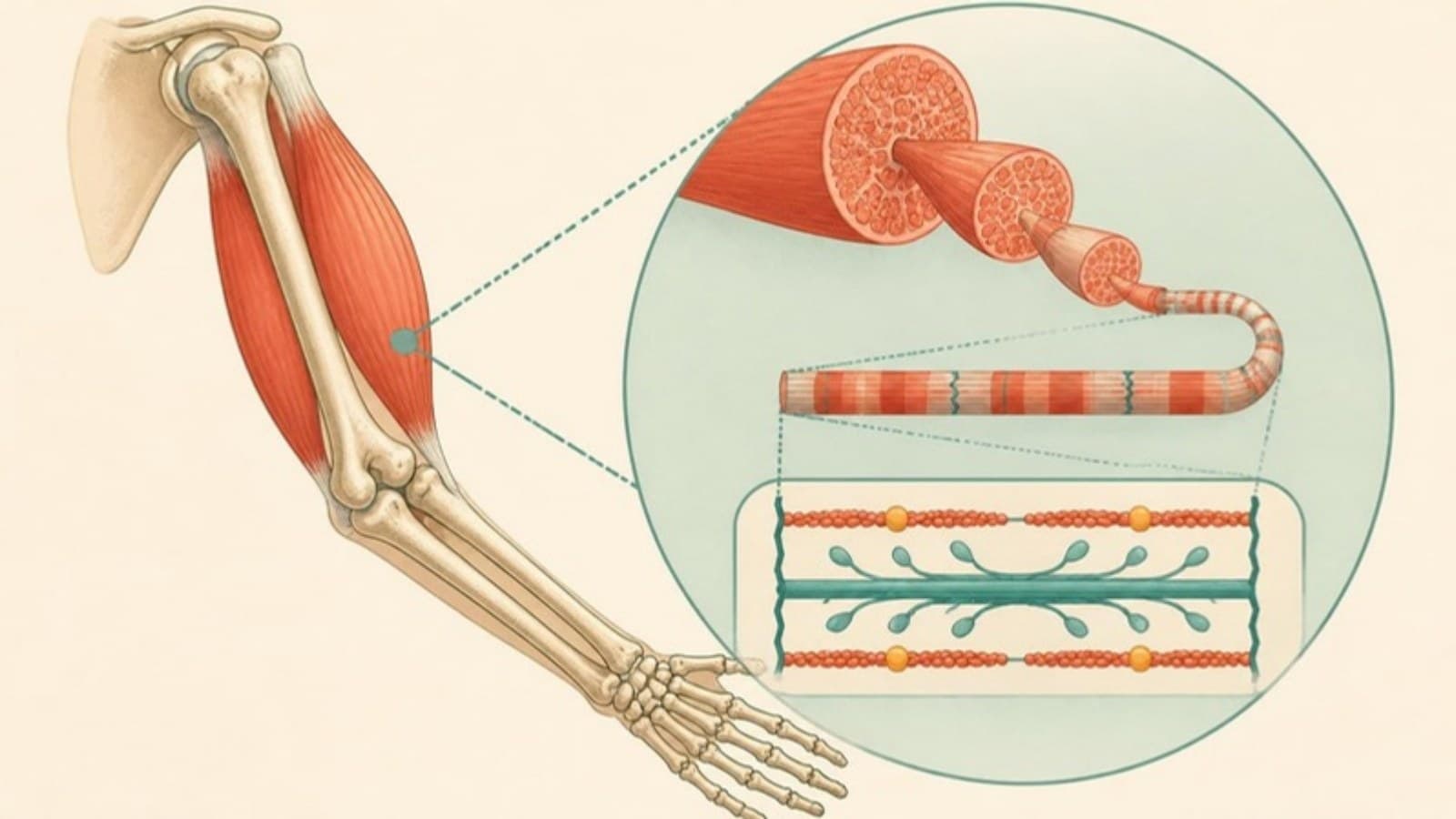
Understanding muscle organization from gross to molecular level is essential for NEET:
Muscle (whole organ) --> Fascicles (bundles) --> Muscle fibers (cells) --> Myofibrils --> Sarcomere
The sarcomere is the basic contractile unit of a myofibril, extending from one Z line to the next Z line.
Sarcomere Components:
| Component | Description | Behavior During Contraction |
|---|---|---|
| Z line (Z disc) | Anchoring point for thin filaments; defines sarcomere boundary | Distance between Z lines decreases |
| I band (Light band) | Contains only thin filaments (actin); appears light | Shortens |
| A band (Dark band) | Contains thick filaments (myosin) and overlapping thin filaments | Remains same length |
| H zone | Central region of A band with only thick filaments (no overlap) | Shortens or disappears |
| M line | Center of sarcomere; holds thick filaments together | Remains at center |
Thin filaments (Actin):
Thick filaments (Myosin):
NEET Tip: During contraction, the A band stays constant while the I band and H zone shorten. This is because the thin filaments slide over the thick filaments without either filament changing length.
Proposed by H.E. Huxley and A.F. Huxley (1954), this theory explains muscle contraction as the sliding of thin filaments over thick filaments without any change in filament length.
Step 1: Neural Signal A motor neuron transmits an action potential to the neuromuscular junction (motor end plate).
Step 2: Acetylcholine (ACh) Release The nerve impulse triggers release of acetylcholine at the neuromuscular junction. ACh binds to receptors on the sarcolemma, generating an action potential in the muscle fiber.
Step 3: Calcium Release from Sarcoplasmic Reticulum The action potential travels along the sarcolemma and into T-tubules, stimulating the sarcoplasmic reticulum (SR) to release stored Ca2+ ions into the sarcoplasm.
Step 4: Troponin-Tropomyosin Shift Ca2+ binds to troponin-C (TnC), causing a conformational change. This shifts tropomyosin away from the myosin-binding sites on actin, exposing the active sites.
Step 5: Cross-Bridge Formation The myosin head (already energized with ADP + Pi from previous ATP hydrolysis) binds to the exposed active site on actin, forming a cross-bridge.
Step 6: Power Stroke ADP and Pi are released from the myosin head. This causes the myosin head to pivot, pulling the thin filament towards the center of the sarcomere. This is the power stroke that generates force.
Step 7: Cross-Bridge Detachment A new ATP molecule binds to the myosin head, causing it to detach from actin. ATP is then hydrolyzed to ADP + Pi, re-energizing (cocking) the myosin head for the next cycle.
Step 8: Relaxation When the neural signal stops, Ca2+ is actively pumped back into the SR by calcium ATPase. Tropomyosin returns to its blocking position, the cross-bridges cannot form, and the muscle relaxes.
NEET Tip: Muscle contraction requires ATP at two critical steps: (1) for the power stroke (myosin ATPase) and (2) for detaching the cross-bridge. This is why rigor mortis occurs after death - without ATP, cross-bridges cannot detach.
The human skeleton consists of 206 bones in adults, divided into the axial and appendicular skeleton.
| Region | Number of Bones | Key Details |
|---|---|---|
| Skull - Cranial bones | 8 | Frontal (1), Parietal (2), Temporal (2), Occipital (1), Sphenoid (1), Ethmoid (1) |
| Skull - Facial bones | 14 | Includes maxilla (2), mandible (1), zygomatic (2), nasal (2), and others |
| Hyoid bone | 1 | Only bone not articulating with another bone |
| Ear ossicles | 6 | Malleus, Incus, Stapes (3 in each ear); Stapes is the smallest bone |
| Vertebral column | 26 | Cervical (7), Thoracic (12), Lumbar (5), Sacrum (1 fused from 5), Coccyx (1 fused from 4) |
| Sternum | 1 | Manubrium + body + xiphoid process |
| Ribs | 24 | True ribs (7 pairs), False ribs (3 pairs), Floating ribs (2 pairs) |
| Region | Number of Bones | Key Details |
|---|---|---|
| Pectoral girdle | 4 | Clavicle (2) + Scapula (2) |
| Upper limbs | 60 | Humerus (2), Radius (2), Ulna (2), Carpals (16), Metacarpals (10), Phalanges (28) |
| Pelvic girdle | 2 | Each hip bone = ilium + ischium + pubis (fused) |
| Lower limbs | 60 | Femur (2), Tibia (2), Fibula (2), Patella (2), Tarsals (14), Metatarsals (10), Phalanges (28) |
NEET Tip: Femur is the longest and strongest bone. Stapes (ear ossicle) is the smallest bone. The hyoid bone does not articulate with any other bone. Remember: 7 cervical vertebrae is constant in almost all mammals.
| Joint Type | Movement | Structure | Examples |
|---|---|---|---|
| Fibrous (Synarthrosis) | Immovable | Bones joined by dense connective tissue | Sutures of skull, tooth in socket (gomphosis) |
| Cartilaginous (Amphiarthrosis) | Slightly movable | Bones joined by cartilage | Pubic symphysis, intervertebral discs |
| Synovial (Diarthrosis) | Freely movable | Joint cavity with synovial fluid | Most limb joints |
| Synovial Joint Type | Movement | Example |
|---|---|---|
| Ball and socket | Movement in all directions (multiaxial) | Shoulder joint, Hip joint |
| Hinge | Movement in one plane (uniaxial) | Elbow, Knee |
| Pivot | Rotation around a single axis | Atlas-axis joint (head rotation) |
| Gliding (Plane) | Sliding movement | Joints between carpals, between tarsals |
| Saddle | Biaxial movement | Carpometacarpal joint of thumb |
| Ellipsoid (Condyloid) | Biaxial movement (no rotation) | Wrist joint (radiocarpal) |
NEET Tip: Ball and socket joints allow the most freedom of movement. The knee joint is primarily a hinge joint but also allows slight rotation.
Practice break
Reading is prep. Practising is progress.
Free to try · replies within a few hours on WhatsApp
| Disorder | Description | Key Features |
|---|---|---|
| Myasthenia gravis | Autoimmune disease affecting neuromuscular junction | Antibodies against ACh receptors; progressive weakness |
| Muscular dystrophy | Genetic (X-linked) progressive degeneration of skeletal muscle | Duchenne type most common; defective dystrophin protein |
| Tetany | Sustained muscle contraction due to low blood Ca2+ | Rapid spasms in muscles (especially hands, feet) |
| Osteoporosis | Decreased bone density; bones become porous and brittle | Common in post-menopausal women (estrogen deficiency) |
| Arthritis | Inflammation of joints | Rheumatoid (autoimmune), Osteoarthritis (wear and tear) |
| Gout | Accumulation of uric acid crystals in joints | Affects mainly big toe; painful swelling |
| Osteomalacia | Softening of bones due to vitamin D deficiency | Called Rickets in children |
NEET Tip: Myasthenia gravis and muscular dystrophy are the most frequently asked disorders. Remember: myasthenia gravis = autoimmune (ACh receptor antibodies); muscular dystrophy = genetic (dystrophin deficiency).
| Year | Topic Asked | Correct Answer |
|---|---|---|
| 2025 | Function of troponin in muscle contraction | Binds Ca2+ and removes tropomyosin block from actin |
| 2024 | Number of bones in adult human skeleton | 206 bones |
| 2023 | Role of Ca2+ in sliding filament theory | Binds troponin, exposing myosin-binding sites on actin |
| 2022 | Intercalated discs are characteristic of | Cardiac muscle |
| 2021 | Type of joint between atlas and axis vertebra | Pivot joint |
| 2020 | Disorder due to autoimmune destruction of ACh receptors | Myasthenia gravis |
| 2019 | Skeletal muscle is also called | Striated, voluntary muscle |
Q1. Which of the following muscles is striated but involuntary?
Explanation: Cardiac muscle is the only muscle type that is both striated (has visible striations like skeletal muscle) and involuntary (not under conscious control). Intercalated discs allow synchronized contraction.
Q2. During muscle contraction, which of the following bands remains unchanged in length?
Explanation: The A band (dark band) contains the entire length of thick filaments and does not change during contraction. The I band and H zone both shorten as thin filaments slide inward.
Q3. The
functional unit of a myofibril is:
Explanation: The sarcomere, extending from one Z line to the next, is the structural and functional unit of contraction in skeletal muscle. It contains the organized arrangement of actin and myosin filaments.
Q4. How many bones are present in the human skull?
Explanation: The human skull has 22 bones: 8 cranial bones (forming the cranium) and 14 facial bones. The cranial bones protect the brain while facial bones form the framework of the face.
Q5. Rigor mortis occurs after death because:
Explanation: After death, ATP production stops. Without ATP, myosin heads cannot detach from actin, causing permanent cross-bridge formation and muscle stiffness (rigor mortis).
Q6. The
smallest bone in the human body is:
Explanation: Stapes, one of the three ear ossicles in the middle ear, is the smallest bone in the human body. It transmits vibrations from the incus to the oval window of the inner ear.
Q7. Which type of joint allows movement in all directions?
Explanation: Ball and socket joints (shoulder and hip) allow multiaxial movement - flexion, extension, abduction, adduction, rotation, and circumduction. This is the most freely movable type of joint.
Q8. Duchenne muscular dystrophy is caused by deficiency of:
Explanation: Duchenne muscular dystrophy is an X-linked recessive disorder caused by mutations in the gene encoding dystrophin, a protein that connects the muscle fiber cytoskeleton to the extracellular matrix. Its absence leads to progressive muscle degeneration.
Q: Why is ATP required for both contraction and relaxation? A: ATP serves dual roles: (1) Myosin ATPase hydrolyzes ATP to energize the myosin head for the power stroke, and (2) a new ATP molecule is needed to detach the cross-bridge after the power stroke. For relaxation, calcium ATPase uses ATP to pump Ca2+ back into the sarcoplasmic reticulum. Without ATP, muscles remain contracted (rigor mortis).
Q: What is the difference between the A band and I band? A: The A band (anisotropic/dark band) contains the entire length of thick filaments along with overlapping portions of thin filaments. The I band (isotropic/light band) contains only thin filaments. During contraction, the A band remains constant while the I band shortens.
Q: Why does cardiac muscle not fatigue? A: Cardiac muscle has an abundant blood supply and is extremely rich in mitochondria (about 25% of cell volume), providing continuous ATP through aerobic respiration. It also has a built-in refractory period that prevents sustained contraction (tetanus), ensuring rhythmic contraction and relaxation throughout life.
Q: What is the role of intercalated discs? A: Intercalated discs are specialized junctions found only in cardiac muscle. They contain gap junctions that allow rapid transmission of electrical impulses between cardiac muscle cells, ensuring the heart contracts as a synchronized unit (functional syncytium). They also contain desmosomes for strong mechanical bonding.
Q: How many floating ribs does the human body have? A: The human body has 2 pairs (4 individual) floating ribs, which are the 11th and 12th pairs. They are called floating ribs because their anterior ends are free and not attached to the sternum either directly or through costal cartilage.
The sliding filament mechanism is a sequence, and NEET question stems usually test whether you have that sequence right, not just the vocabulary. Message us on WhatsApp at +91 88264 44334 with where you lose track, and we'll send the step-by-step sequence the way NEET actually phrases it.
Related reading: Neural Control and Coordination Notes · Human Physiology Complete Notes · Class 11 Biology Coaching
Related resources

About the author
Dr. Shekhar C. Singh
AIIMS New Delhi alumnus who has taught biology since 2014, from NCERT foundations to the International Biology Olympiad.
Read his full profile →Get personalized guidance from AIIMS experts and achieve your medical college dreams
More from the blog
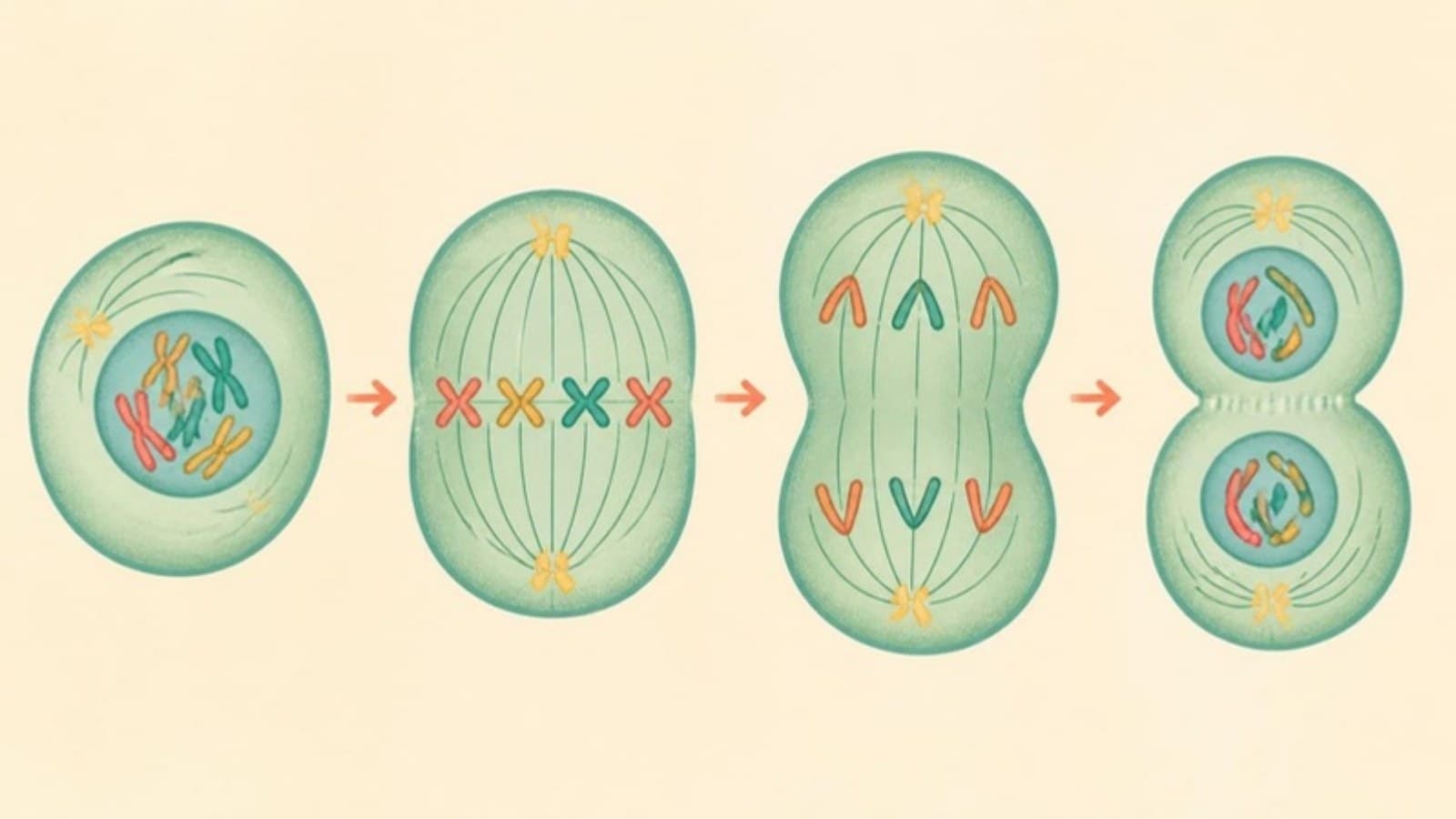
Master Cell Division for NEET 2026 with comprehensive notes on cell cycle, mitosis, meiosis, and their significance. NCERT-aligned content with diagrams and previous year questions.
12 Jun 2026
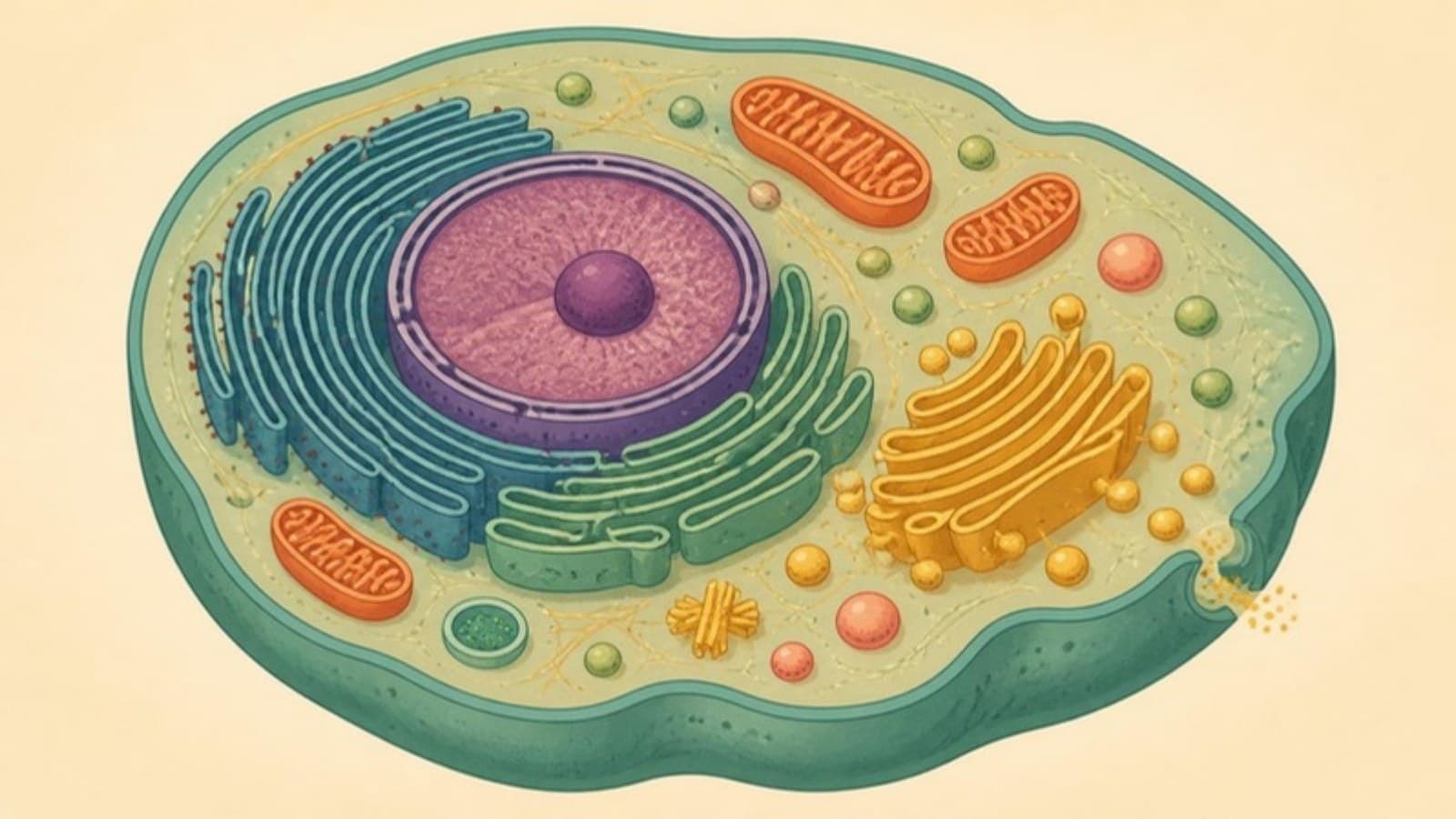
Master Cell Biology for NEET 2026 with comprehensive notes covering cell theory, prokaryotic vs eukaryotic cells, cell organelles, and their functions. NCERT-based content with previous year questions.
12 Jun 2026
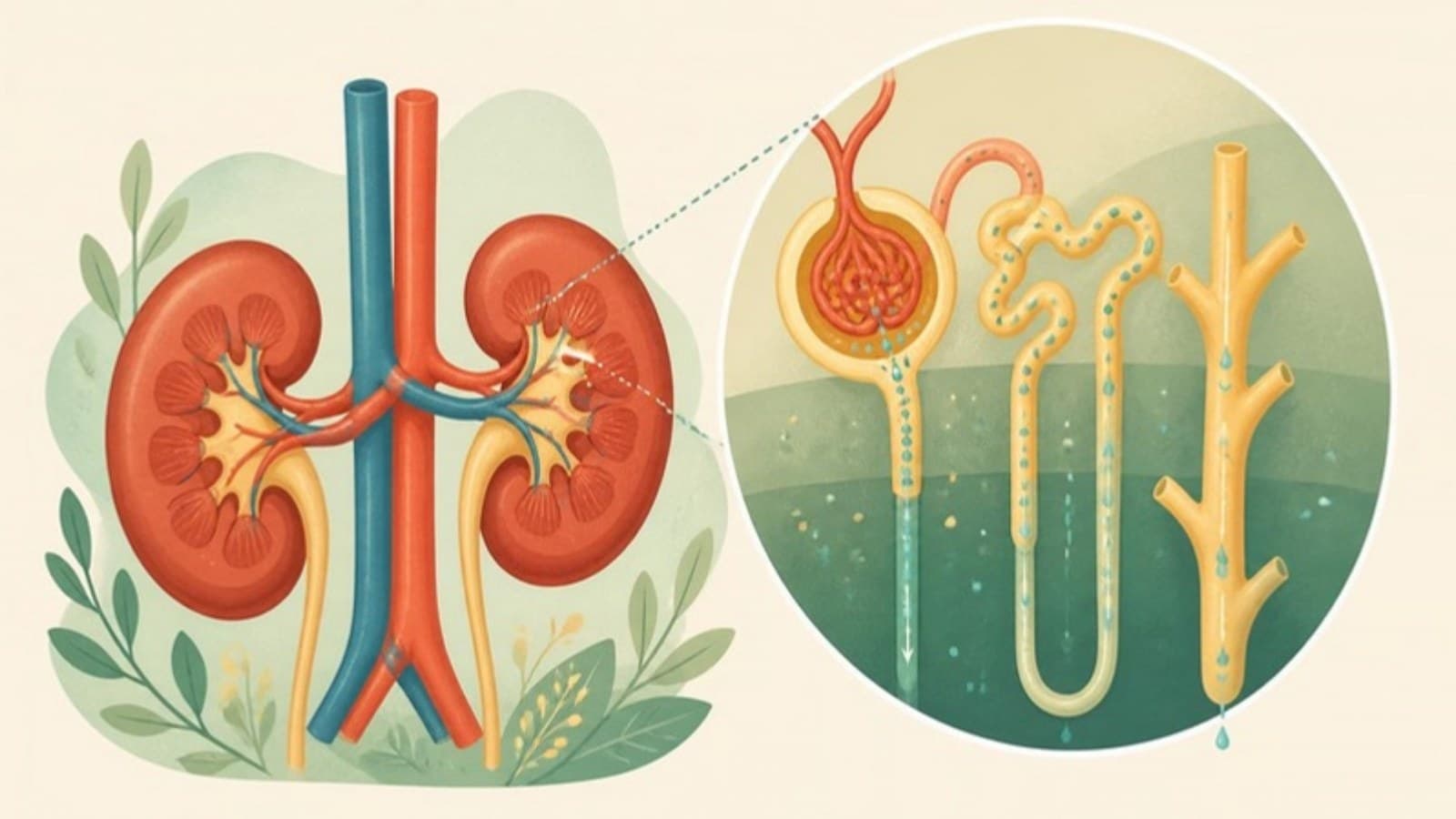
Master Excretion for NEET 2026 with comprehensive notes on kidney structure, nephron function, urine formation, and regulation. NCERT-aligned content with diagrams and PYQs.
12 Jun 2026
Share your thoughts, ask a question, or help another student
Type it below and send it to us on WhatsApp — no sign-up needed.
For NEET Biology, aim for 3-4 hours of focused study daily. Quality matters more than quantity!
Yes! NCERT covers 95% of NEET Biology questions. Master it completely before any reference book.
Human Physiology (20%), Genetics (18%), and Ecology (12%) are the highest-scoring areas.
Need personalized guidance?