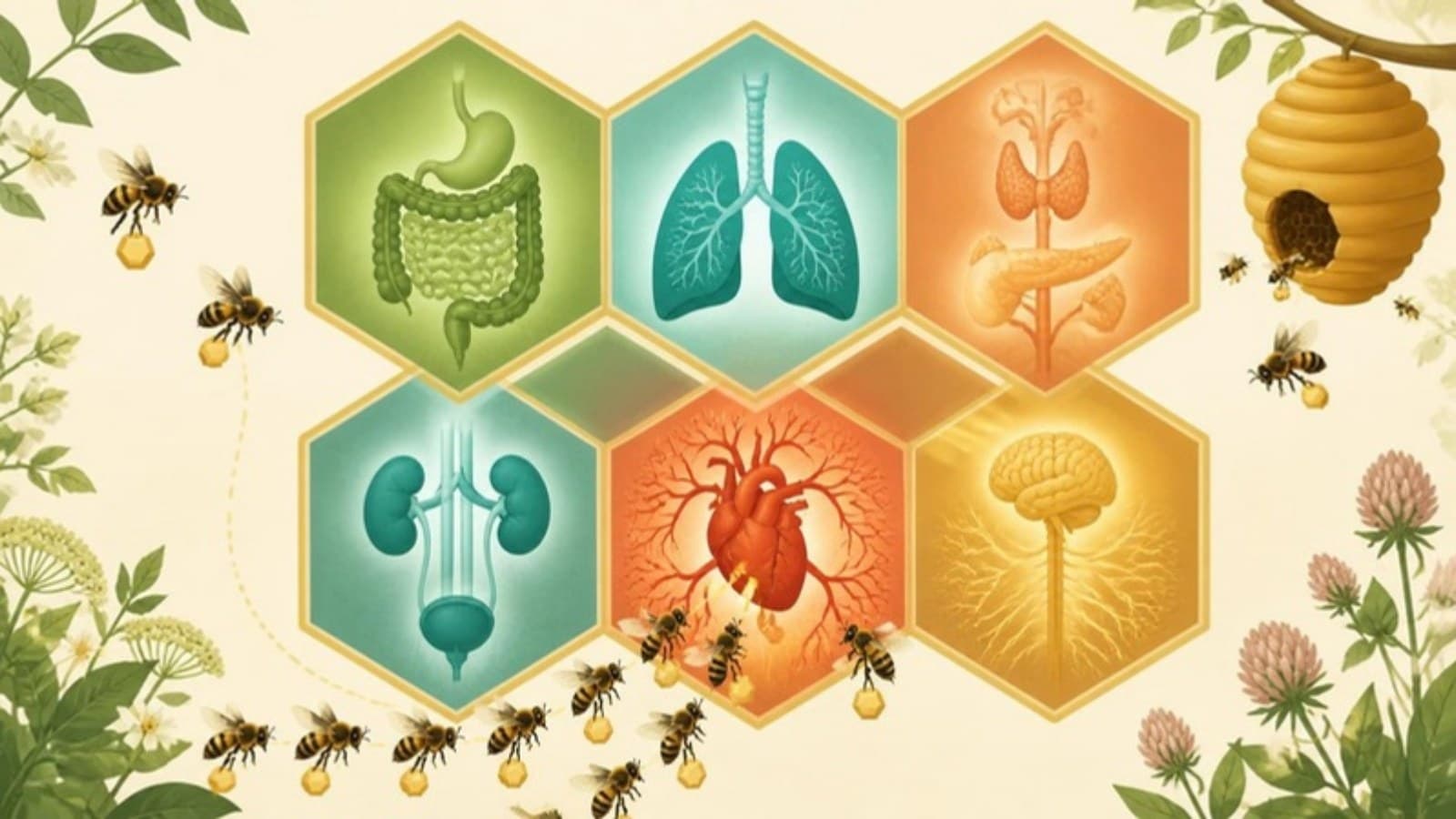
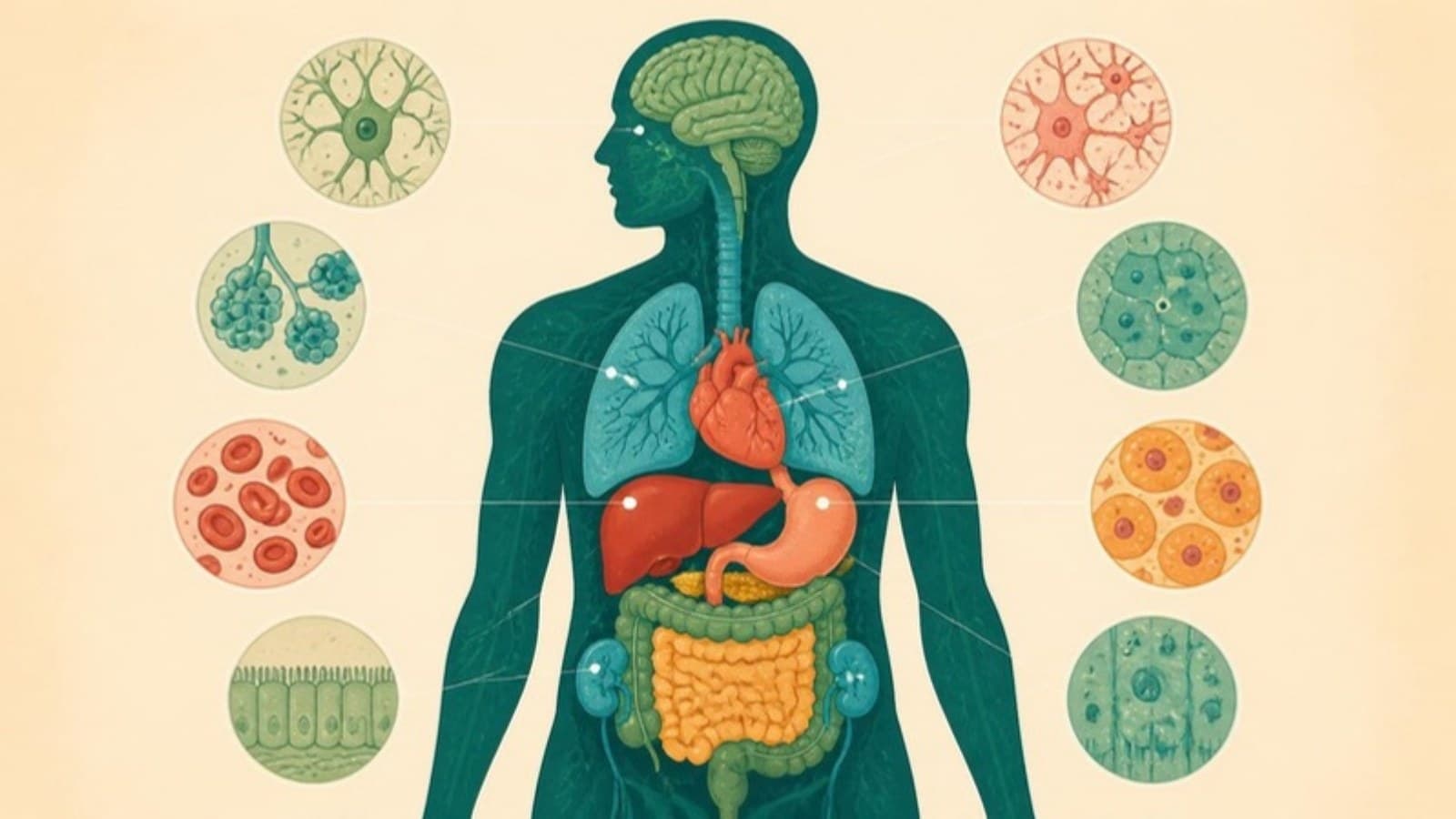
Human Physiology is unequivocally the most heavily weighted unit in NEET Biology, consistently contributing 20-22 marks across all examinations from 2019 to 2025. This represents approximately 12-13% of your total 180-mark NEET score, which is why mastering this unit is non-negotiable for scoring 130+ in biology.
The unit tests your understanding of how human body systems function in an integrated manner—a key theme in modern NEET question-setting philosophy. Unlike chapters that focus on memorization, human physiology demands conceptual clarity, system understanding, and the ability to connect physiological processes across different organs and systems.
| Year | Total Questions | Digestion & Absorption | Breathing & Respiration | Body Fluids & Circulation | Excretory System | Locomotion & Movement | Neural Control | Chemical Coordination | Total Marks |
|---|
| 2025 | 22 | 3 | 2 | 4 | 2 | 2 | 5 | 4 | 22 |
| 2024 | 21 | 3 | 2 | 3 | 2 | 2 | 5 | 4 | 21 |
| 2023 | 20 | 3 | 2 | 3 | 2 | 2 | 4 | 4 | 20 |
| 2022 | 21 | 3 | 2 | 3 | 2 | 1 | 5 | 5 | 21 |
| 2021 | 20 | 3 | 2 | 3 | 2 | 2 | 4 | 4 | 20 |
| 2020 | 21 | 3 | 2 | 3 | 2 | 1 | 5 | 5 | 21 |
| 2019 | 20 | 2 | 2 | 3 | 2 | 2 | 4 | 5 | 20 |
| Average | 20.7 | 2.9 | 2 | 3.1 | 2 | 1.7 | 4.6 | 4.4 | 20.7 |
Key Observations from PYQ Data
The data reveals consistent patterns:
- Neural Control & Coordination (4-5 questions/year) is the single most tested topic
- Body Fluids & Circulation averages 3+ questions per year, with emphasis on blood composition, clotting, and cardiovascular physiology
- Chemical Coordination (4-5 questions/year) focuses heavily on hormone functions and endocrine disorders
- Digestion & Absorption consistently contributes 2-3 questions, primarily on enzyme functions and nutrient absorption
- Breathing & Respiration maintains a stable 2 questions/year pattern
- Excretory System tests functional concepts, averaging 2 questions annually
- Locomotion & Movement is the least weighted (1-2 questions/year), but when tested, focuses on muscle contraction mechanisms
Tier 1: Highest Priority (Must Score 100%)
Neural Control & Coordination (5-6 marks)
- Neuron structure and function
- Synapse and neurotransmission (acetylcholine, dopamine, serotonin)
- Reflex arc and reflex actions
- Brain structure (cerebrum, cerebellum, medulla)
- Spinal cord functional anatomy
- Cranial and spinal nerves (12 pairs each)
- PNS vs CNS functional differences
- Autonomic nervous system (parasympathetic dominates NEET questions)
Body Fluids & Circulation (3-4 marks)
- Blood composition (plasma and formed elements)
- RBC, WBC, platelets—structure and function
- Blood clotting cascade (thromboplastin mechanism)
- Blood groups (ABO and Rh) with genetic basis
- Cardiac structure (4 chambers, 4 valves)
- Cardiac cycle and heart sounds
- Cardiac output calculation
- Coronary circulation
- Atherosclerosis and myocardial infarction concepts
Chemical Coordination (4-5 marks)
- Endocrine glands and hormone classification
- Pituitary gland (adenohypophysis and neurohypophysis)
- Thyroid hormone regulation and disorders (hypothyroidism, hyperthyroidism, goiter, cretinism)
- Pancreatic hormones (insulin-glucagon antagonism)
- Parathyroid and calcium homeostasis
- Adrenal cortex and medulla functions
- Hormone receptor mechanisms (G-protein coupled, nuclear receptors)
- Diabetes mellitus pathophysiology
Tier 2: High Priority (Target 90-95%)
Digestion & Absorption (2-3 marks)
- Digestive enzymes and substrates (proteases: pepsin, trypsin, chymotrypsin; lipases; carbohydrases)
- Saliva composition and salivary amylase
- Gastric juice and HCl secretion regulation
- Pancreatic juice composition
- Intestinal juice (succus entericus)
- Bile and bile salts (not enzymes—common misconception)
- Nutrient absorption mechanisms (simple diffusion, facilitated diffusion, active transport)
- Vitamin B12 and intrinsic factor
- Fat-soluble vs water-soluble vitamin absorption
Breathing & Respiration (2 marks)
- Respiratory organs and airway anatomy
- Diaphragm and intercostal muscle mechanics
- Lung volumes and capacities (TV, IRV, ERV, VC, TLC)
- Oxygen-hemoglobin dissociation curve
- Boyle's law application in respiration
- Carbon dioxide transport in blood (bicarbonate buffer system)
- Respiratory quotient (RQ) for different substrates
- Regulation of respiration (chemoreceptors, CO2 sensitivity)
Tier 3: Medium Priority (Target 85%)
Excretory System (2 marks)
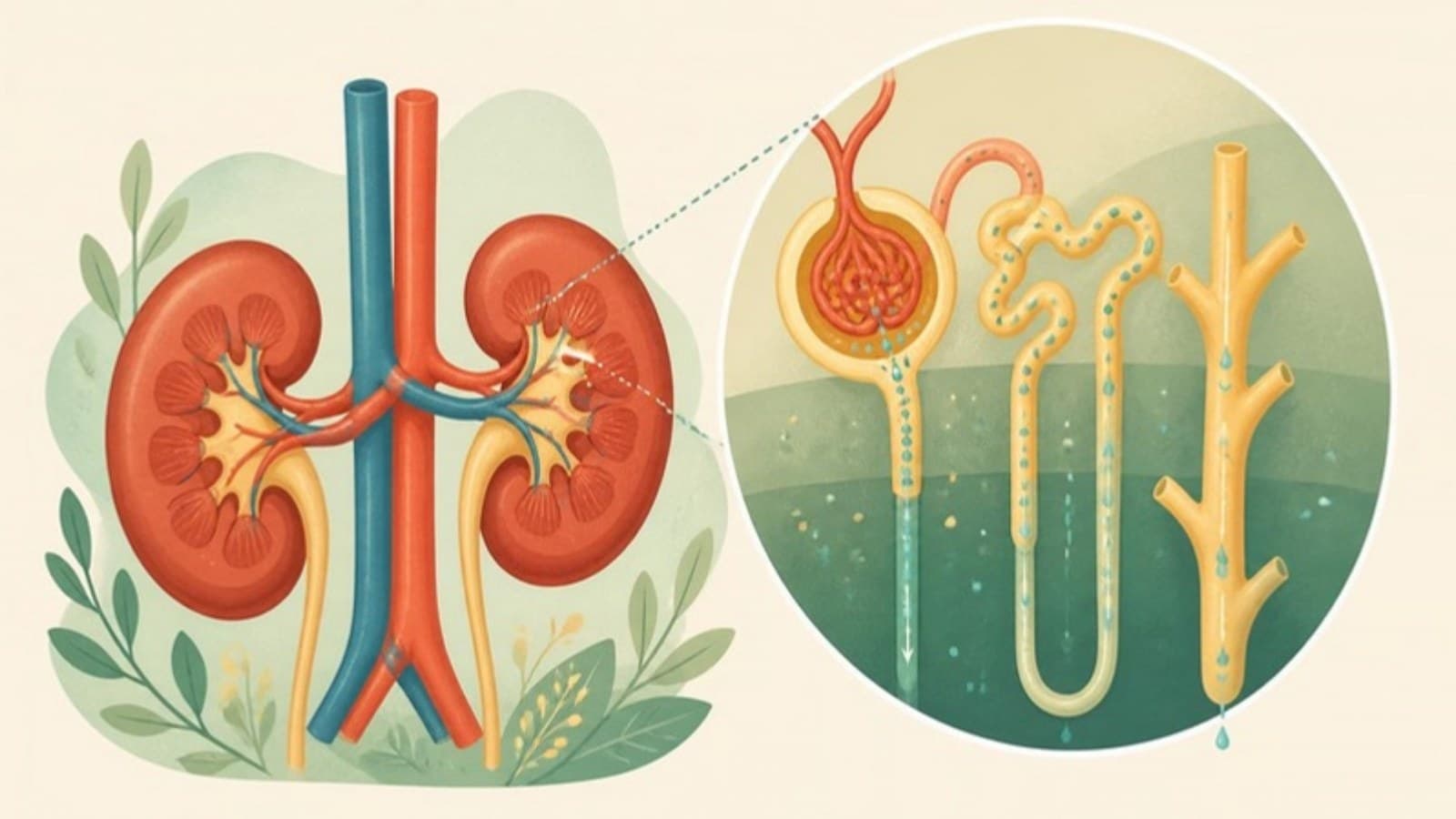
- Kidney structure (cortex, medulla, renal corpuscle)
- Nephron anatomy and function
- Glomerular filtration (GFR calculation, ultrafiltration)
- Selective reabsorption in proximal convoluted tubule
- Loop of Henle countercurrent multiplier system
- Distal convoluted tubule and collecting duct (ADH effect)
- Renin-angiotensin system
- Micturition reflex
Locomotion & Movement (1-2 marks)
- Skeleton classification (axial, appendicular)
- Joint types and movements
- Muscle structure (Z-disc, A-band, I-band, H-zone)
- Sliding filament theory
- Muscle contraction mechanism (sarcomere shortening)
- Role of Ca2+, troponin, tropomyosin
- Rigor mortis and muscle fatigue concepts
Pattern 1: Integrated Physiology (Most Common)
These questions link two or more body systems:
- "A hormone increases blood glucose while another decreases it" → Tests insulin-glucagon
- "After a meal, nutrients are absorbed and stored" → Digestion + liver function + hormonal control
- "During exercise, oxygen demand increases" → Respiration + circulation + nervous system
Strategy: Create concept maps showing hormonal effects on different organ systems.
Pattern 2: Mechanism & Process Questions
NEET loves asking "how" and "why":
- Blood clotting cascade sequence
- Hormone receptor binding and second messengers
- Oxygen transport and release at tissues
- Neurotransmitter release and reuptake
Strategy: Draw flowcharts for every physiological process.
Pattern 3: Disorder & Dysfunction
Clinical correlations are increasingly common:
- Hypothyroidism symptoms and TSH levels
- Diabetes mellitus (Type 1 vs Type 2)
- Hypertension and renin-angiotensin activation
- Cardiac arrhythmias and SA node dysfunction
Strategy: Learn pathophysiology alongside normal physiology.
Pattern 4: Quantitative Calculations
Usually 1-2 questions per exam:
- Cardiac output = Heart rate × Stroke volume
- GFR calculations
- Alveolar ventilation = (Tidal Volume - Dead Space) × Respiratory Rate
- Oxygen saturation at different pO2 values
Strategy: Practice numerical problems with units and formulas.
Month 1: Foundation Building (Weeks 1-4)
Week 1-2: Digestion & Absorption
- Study from NCERT Chapter 16 (Digestion and Absorption)
- Create an enzyme table with substrate, source, optimal pH, product
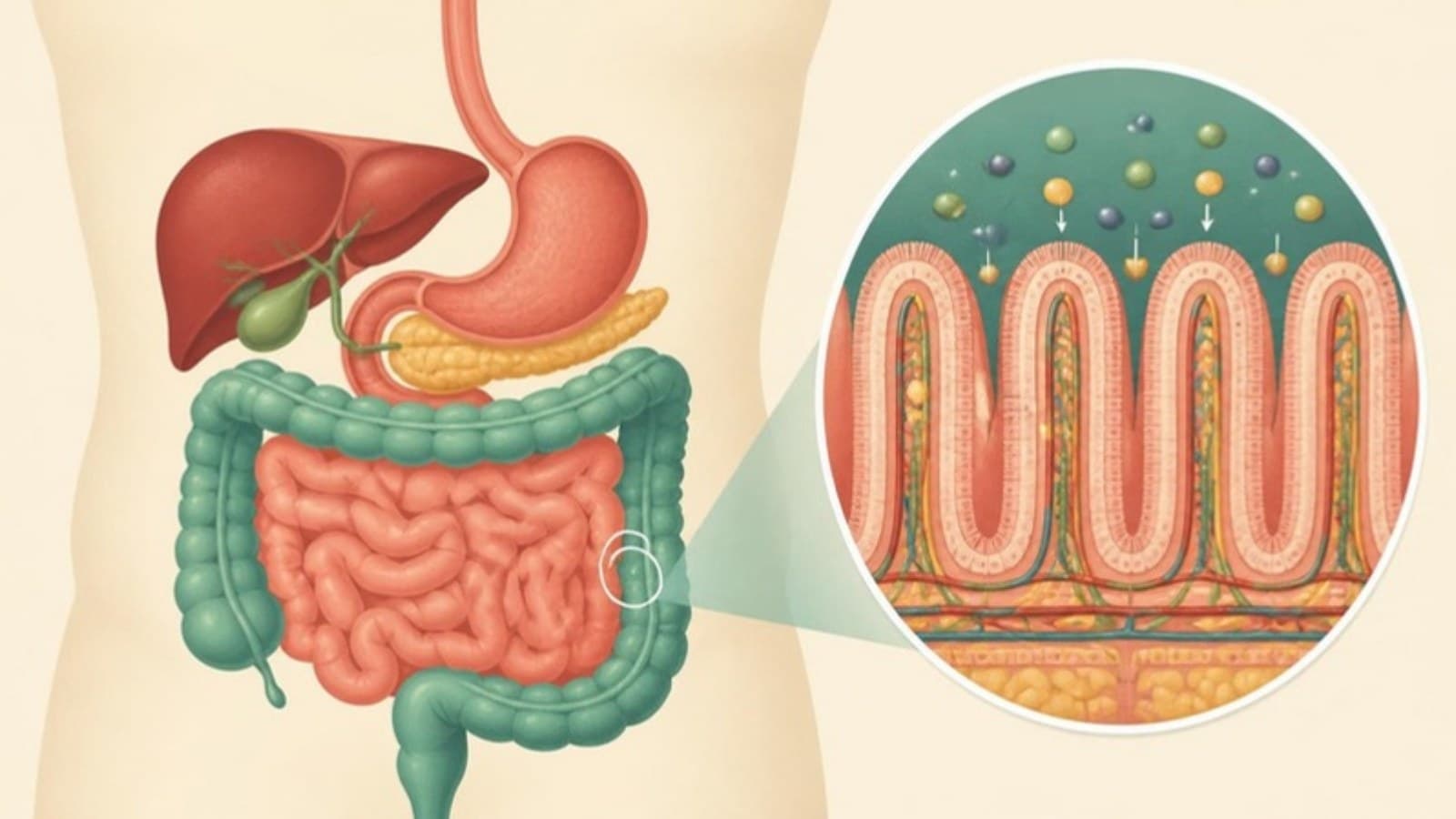
- Draw the GI tract and label all glands
- Focus on: saliva amylase, pepsin, pancreatic enzymes, intestinal absorption
Week 3-4: Breathing & Respiration
- NCERT Chapter 17 (Breathing and Exchange of Gases)
- Master lung volumes with a diagram (TV, IRV, ERV, VC, TLC)
- Understand oxygen-hemoglobin curve and factors affecting it
- Practice CO2 transport mechanisms
Month 2: System Integration (Weeks 5-8)
Week 5-6: Body Fluids & Circulation
- NCERT Chapter 18 (Body Fluids and Circulation)
- Blood components: draw RBC, WBC types, platelets
- Blood groups with ABO genetics
- Cardiac cycle: memorize phases and pressure changes
- Learn all cardiac pathologies
Week 7-8: Excretory System
- NCERT Chapter 19 (Excretion)
- Kidney anatomy: cortex, medulla, corpuscle, tubule
- Nephron ultrafiltration, reabsorption, secretion
- ADH and aldosterone mechanisms
- Urine concentration mechanisms
Month 3: Neural & Hormonal (Weeks 9-12)
Week 9-10: Neural Control & Coordination
- NCERT Chapter 21 (Neural Control and Coordination)
- Neuron structure and types
- Synapse and neurotransmission (crucial—ask 4-5 questions/year)
- Brain and spinal cord anatomy
- Cranial and spinal nerves functional classification
- Reflex arc with examples
Week 11-12: Chemical Coordination
- NCERT Chapter 22 (Chemical Coordination and Integration)
- All endocrine glands and hormones
- Hormone classification and mechanisms
- Thyroid disorders (hypothyroid, hyperthyroid, goiter, cretinism)
- Insulin-glucagon and diabetes
- Parathyroid-calcitonin and calcium balance
Week 13: Locomotion & Movement (Optional, as low-weighted)
- NCERT Chapter 20 (Locomotion and Movement)
- Focus only if time permits; cover muscle contraction and sliding filament theory
Practice break
Reading is prep. Practising is progress.
Free to try · replies within a few hours on WhatsApp
Phase 1: Theory Building (Days 1-30)
- Daily routine: 2 hours theory + 30 min note-making
- Watch high-yield video lectures on complex topics (synapse, cardiac cycle, renal filtration)
- Create mind maps for each subtopic
- Maintain a glossary of physiological terms
Phase 2: PYQ Analysis (Days 31-60)
- Solve previous year questions chapter-wise
- Maintain a spreadsheet of mistake patterns
- For each question, write the concept being tested
- Identify your weak topics after 2-3 years of questions
Phase 3: Integration & Mock Tests (Days 61-90)
- Solve integrated questions linking multiple systems
- Take full-length mock tests
- Review mistakes within 24 hours
- Focus on topics with <80% accuracy
1. Synapse & Neurotransmission
Why it's tested: Links neural and chemical communication; integrative concept
- Vesicles, neurotransmitter release, receptors, reuptake
- Different neurotransmitters: acetylcholine (muscular junction), dopamine (brain), serotonin (mood)
- Synergism and antagonism
2. Cardiac Cycle
Why it's tested: Complex mechanism requiring sequence understanding
- Atrial systole → ventricular systole → ventricular diastole
- Pressure changes in chambers
- Valve opening/closing mechanisms
- Heart sounds (S1, S2)
3. Hormone-Receptor Mechanism
Why it's tested: Explains how hormones produce effects
- G-protein coupled receptors (epinephrine, glucagon)
- Nuclear receptors (steroid hormones, thyroid hormone)
- Second messenger systems (cAMP, IP3, DAG)
4. Renal Filtration
Why it's tested: Requires quantitative thinking
- Ultrafiltration at glomerulus (pressure-driven)
- Selective reabsorption (active + passive)
- Countercurrent mechanism in loop of Henle
- GFR and its regulation
5. Muscle Contraction
Why it's tested: Mechanistic understanding required
- Z-disc arrangement in sarcomere
- Thick (myosin) and thin (actin) filaments
- Sliding filament theory
- Role of ATP, Ca2+, troponin, tropomyosin
- Confusing bile with digestive enzymes - Bile salts are NOT enzymes; they emulsify fats
- Mixing up insulin and glucagon effects - Insulin lowers blood glucose; glucagon raises it
- Wrong cardiac cycle sequence - Memorize ASVD (atrial systole, ventricular systole, ventricular diastole)
- Assuming all hormones use G-protein receptors - Steroid and thyroid hormones use nuclear receptors
- Forgetting ADH and aldosterone functions - Both increase water reabsorption but through different mechanisms
- Misunderstanding oxygen dissociation - Right shift = decreased affinity; left shift = increased affinity
- Confusing sympathetic and parasympathetic effects - Sympathetic: fight-or-flight (increases HR); Parasympathetic: rest-and-digest (decreases HR)
| Topic | Questions/Year | Study Time | Confidence Boost |
|---|
| Neural Control & Coordination | 4-5 | 20 hours | Very High |
| Chemical Coordination | 4-5 | 18 hours | High |
| Body Fluids & Circulation | 3-4 | 15 hours | High |
| Digestion & Absorption | 2-3 | 10 hours | Very High |
| Breathing & Respiration | 2 | 8 hours | Very High |
| Excretory System | 2 | 12 hours | High |
| Locomotion & Movement | 1-2 | 6 hours | Very High |
For detailed chapter notes and practice questions, visit:
- NEET Biology Notes: Human Physiology
- NCERT Textbooks: Chapters 16-22 (Biology Part I & II)
- Khan Academy: Human Physiology Series
- Previous Year Question Banks: 2019-2025 NEET papers
- Neuron structure and synapse
- Cardiac chambers, valves, and blood flow
- Kidney anatomy and nephron
- Lung volumes and capacities
- Blood cell types and formation
- Hormone pathway from hypothalamus-pituitary-target gland
- Muscle sarcomere structure
- GI tract anatomy with glands
- Brain divisions (cerebrum, cerebellum, medulla)
- Oxygen-hemoglobin dissociation curve
Before your exam, verify you can:
Q1: How many marks should I aim for in Human Physiology to score 130+ in biology?
A: You should aim for 18-20 marks out of 22 in Human Physiology. Combined with other high-weightage units (Genetics: 18-20, Ecology: 10-12), this ensures your biology score crosses 130.
Q2: Which subtopic is most important in Human Physiology?
A: Neural Control & Coordination (5 questions/year) followed by Chemical Coordination (4-5 questions/year). These two alone account for 40% of physiology marks.
Q3: Is Locomotion & Movement important for NEET?
A: Not very. It contributes only 1-2 questions per year. Study it for concept completion but prioritize other topics if short on time.
Q4: How should I approach hormone questions?
A: Always remember: hormones bind to receptors and produce effects. For each hormone, learn: source gland, stimulus for secretion, target tissues, effects on different tissues, and disorders of excess/deficiency.
Q5: What's the best way to memorize enzyme functions?
A: Create a table with columns: Enzyme name, Source, Substrate, Product, Optimal pH, Inhibitor. Fill it completely and revise weekly.
Q6: How do I avoid confusion between similar processes?
A: Draw side-by-side comparison tables: insulin vs glucagon, sympathetic vs parasympathetic, osmotic vs oncotic pressure, etc.
Q7: Should I study clinical applications?
A: Yes, increasingly. Learn pathophysiology of: hypothyroidism, diabetes, hypertension, cardiac arrhythmias, kidney disease, and anemia.
Q8: How many hours should I dedicate to Human Physiology?
A: 60-80 hours over 3 months. This breaks down to: 20 hours Neural Control, 18 hours Chemical Coordination, 15 hours Circulation, 10 hours Digestion, 8 hours Respiration, 12 hours Excretion, 6 hours Locomotion.
Q9: What's the best way to practice calculations?
A: Solve at least 5-10 numerical problems for: Cardiac Output, GFR, Lung Volumes, Oxygen Saturation. Write down formulas and units.
Q10: How should I revise before the exam?
A: Create one-page quick reference sheets for each subtopic. Revise these daily for 15 days before the exam. Focus on diagrams, mechanisms, and common mistakes.
Author: Dr. Shekhar, Founder & Senior Faculty
Last Updated: February 7, 2026
Difficulty Level: Intermediate | Read Time: 15 minutes
Not all seven physiology chapters compete equally for the 14-16 questions this unit usually carries. Message us on WhatsApp at +91 88264 44334 with your weakest physiology sub-topic, and we'll tell you its typical share of those questions.
Related reading: Human Physiology Complete Notes · Class 11 Biology Coaching